Drug Addiction Help & Integrated Health in Asheville, NC
Affordable Medication-Assisted Treatment
for ONLY-
Integrated Health Memberships
Table of Contents
Our Mission
Our mission is to meet people where they are and provide them with compassionate, holistic medical care. We treat the whole person, not just the disease, so they can live healthy, meaningful, and productive lives.
We strive to offer compassionate care to those suffering from the disease of drug addiction, also known as substance use disorder. Our office is comfortable, relaxed, and inviting. Our staff is dedicated to helping people and their families recover from addiction—one day at a time. It is our mission to serve those in need of a helping hand on the road to recovery.
About Us
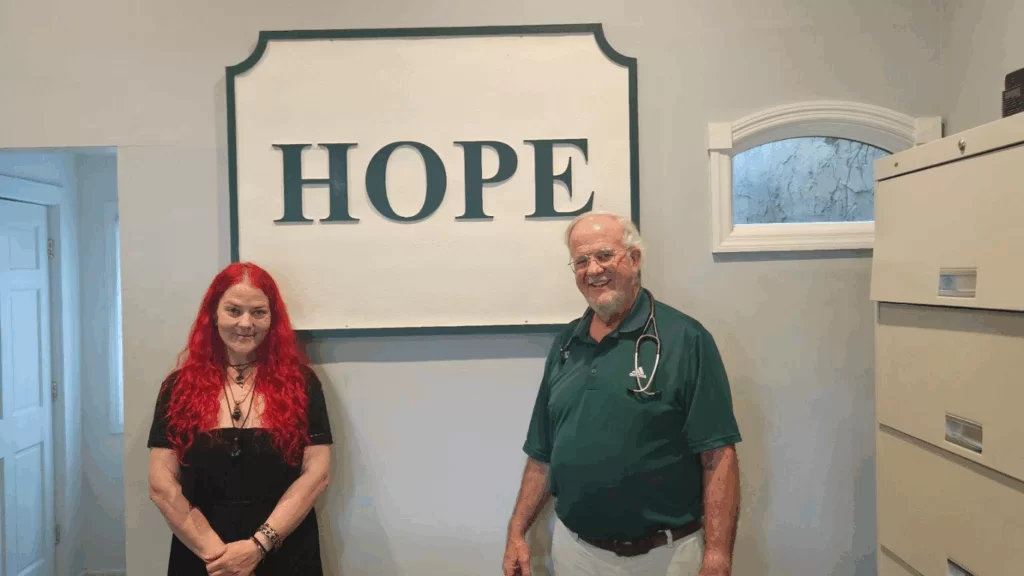
Reach Recovery and Integrated Health, a private-pay medical services provider, is located in the scenic mountains of Western North Carolina, in the charming city of Asheville. We offer kind, nonjudgmental, comprehensive healthcare to meet the needs of our patients.
We practice evidence-based medicine, following the American Society of Addiction Medicine guidelines, for patients suffering from substance use disorders who are in need of addiction treatment in the Western North Carolina area.
What Is Substance Use Disorder?
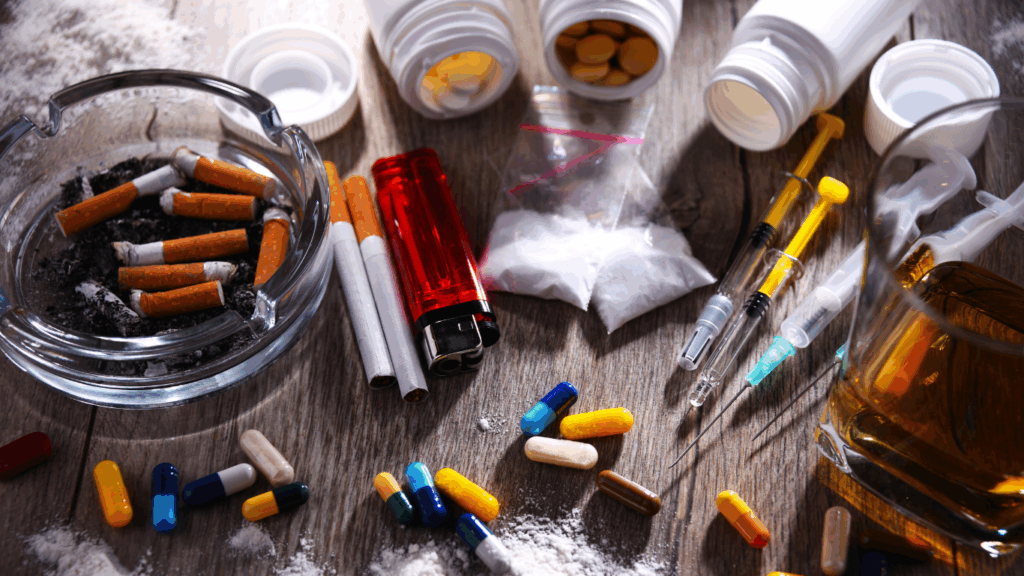
Substance use disorder (SUD), also known as drug addiction, is a treatable, chronic medical disease that affects a person’s brain and behavior. It involves the compulsive use of substances despite harmful consequences.
Furthermore, SUD is considered a chronic, relapsing condition—similar to other chronic diseases such as asthma or diabetes—and is marked by cycles of remission and relapse. Many medical experts, along with the American Medical Association (AMA), classify addiction as a disease rather than a moral failing or a lack of willpower.
How We Can Help at Reach Recovery & Integrated Health of Asheville, NC
Medication-Assisted Treatment
Addiction is a primary brain disease that affects the dopamine reward centers in the brain. Research shows that many people are unable to overcome addiction through willpower or counseling alone, and benefit most from a comprehensive treatment approach. Substance use disorder has both psychological and physical components, and patients often suffer a severe disconnect from self, society, and family.
We provide medication-assisted treatment (including Suboxone — a combination of buprenorphine and naloxone), personalized medical care, and intentional recovery education. Our goal is to create meaningful change through the process of neural re-patterning. To support long-term recovery, we invite patients and family members to participate in educational groups led by Certified Peer Recovery Specialists.
Concierge Healthcare & Private Pay Medical Services
Patients want to feel better, to be heard, and to have their time respected. Concierge medicine is designed to meet these expectations by offering direct access, personalized care, and a stronger patient–provider relationship. By limiting our membership, we are able to provide comprehensive healthcare tailored to each individual’s needs.
This model is especially valuable for those without insurance coverage or with high-deductible plans, offering an affordable and accessible path to quality medical care.
What Increases the Risk of Addiction?

- Genetics: Family history plays a big role. Studies show that genetics may account for 40% to 60% of a person’s risk of developing an addiction.
- Environment: Growing up around drug or alcohol use, peer pressure, adverse childhood experiences, or lack of strong parental support can increase the chance of substance use disorder.
- Brain development: Using drugs or alcohol while the brain is still developing—especially during teenage years—makes addiction more likely.
- Mental health: Conditions like depression, anxiety, and ADHD often occur alongside substance use, and they can raise the risk of drug addiction.
Common Warning Signs of Drug Addiction
Recognizing the early warning signs of drug addiction can make it easier to get help before the problem worsens. These physical, behavioral, and psychological changes are some of the most common red flags to watch for:
Physical signs
- Changes in sleep patterns, appetite, or weight
- Unusual pupil size or bloodshot eyes
- Neglected personal grooming or changes in physical appearance
Withdrawal symptoms such as nausea, shaking, or sweating when not using the substance
Behavioral signs
- Neglecting responsibilities at work, school, or home
- Suspicious behavior, such as increased secrecy or lying about substance use
- Frequent financial problems or an ongoing, unexplained need for money
Loss of interest in activities previously enjoyed
Psychological signs
- Irritability, sudden mood swings, or angry outbursts
- Anxiety, paranoia, or excessive fearfulness
- Apathy or worsening depression